
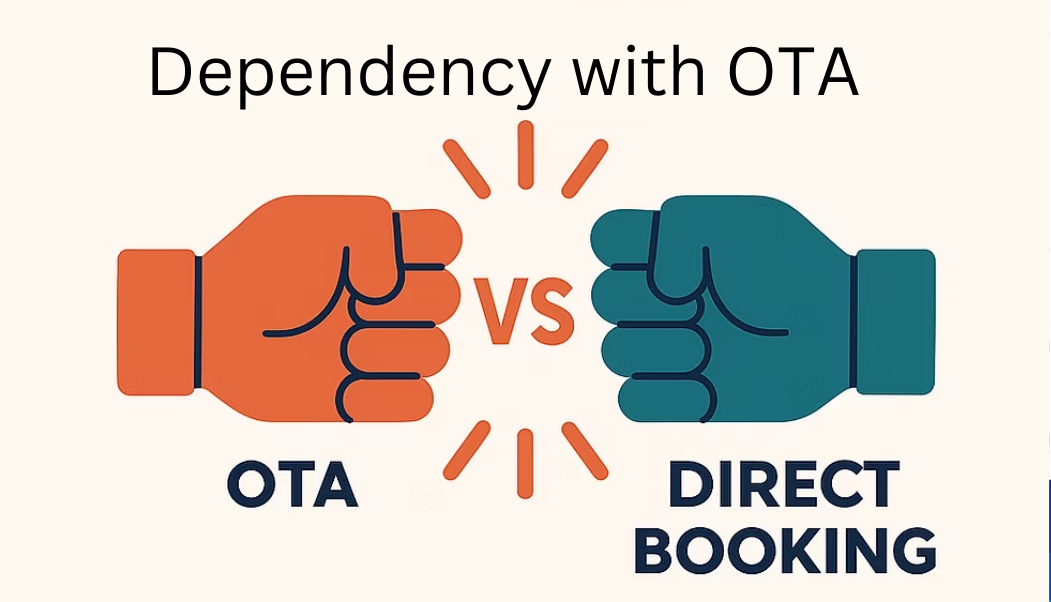
Why Safari Operators Depend Too Much on OTAs – And How It’s Hurting Direct Bookings
The OTA Trap in the Safari Industry
Online Travel Agencies (OTAs) like SafariBookings, Viator, GetYourGuide, Booking.com, and Expedia have become powerful distribution channels for safari tour operators across Africa. For many operators, OTAs generate a significant portion—sometimes 70–90%—of total bookings.
While OTAs provide visibility and demand, over-dependency on them comes at a cost. High commissions, limited brand control, and weak customer relationships are quietly eroding long-term profitability.
So why do safari operators depend so heavily on OTAs—and what’s stopping them from building sustainable direct booking channels?
1. OTAs Offer Immediate Demand (Without Marketing Effort)
One of the biggest reasons safari operators rely on OTAs is instant access to ready-to-book travellers.
OTAs:
- Rank strongly on Google for safari-related searches
- Invest heavily in paid ads and safari SEO
- Already have traveller trust and reviews
- Remove the need for operators to “do marketing”
For African safari operators focused on operations, guides, logistics, and permits, OTAs feel like the easiest path to bookings—especially during peak seasons.
The trade-off: demand comes at the cost of control and margin.
2. High Competition Makes Direct Visibility Difficult
Safari marketing is highly competitive. Travelers search for:
- “Best safari in Kenya”
- “Tanzania luxury safari”
- “African safari packages”
These keywords are dominated by:
- OTAs
- Large international tour brands
- Aggregator platforms
Many local safari operators struggle to rank independently due to:
- Weak SEO foundations
- Thin or generic website content
- Poor storytelling
- No structured demand generation strategy
As a result, OTAs become the default channel.
3. OTAs Reduce Trust Barriers for First-Time Travelers
Safari bookings are high-value and emotionally driven. Travelers worry about:
- Safety
- Legitimacy of local operators
- Quality of guides and vehicles
- Payment security
OTAs act as trust intermediaries by offering:
- Reviews and ratings
- Refund policies
- Familiar booking experiences
Without strong brand signals, social proof, and authority content, many safari operators feel invisible compared to OTA listings.
4. Limited In-House Marketing Capability
Most safari operators are experts in wildlife, destinations, and guest experiences—not digital marketing.
Common gaps include:
- No structured SEO strategy
- No content roadmap
- No retargeting or email automation
- No CRM or lead nurturing process
- No measurement of funnel performance
OTAs feel like outsourcing marketing—without the complexity.
5. OTAs Control Pricing, Visibility, and Customer Data
A hidden downside of OTA dependency is loss of ownership.
OTAs often:
- Influence pricing through commission models
- Decide which operators get visibility
- Control customer data and communication
- Restrict remarketing and repeat bookings
This makes it difficult for safari operators to:
- Build brand recall
- Encourage repeat travellers
- Upsell or cross-sell experiences
- Build long-term customer value
6. Commission Costs Eat Into Margins
OTA commissions typically range between 15% to 30% per booking.
For safari tours, where margins are already tight due to:
- Park fees
- Fuel and vehicle costs
- Staff wages
- Conservation levies
This creates long-term profitability pressure—especially during low seasons.
Yet many operators accept this as “the cost of business,” without realizing that search-led demand generation can reduce reliance on OTAs over time.
7. Lack of Storytelling Weakens Direct Conversion
Safari travel is emotional and experience-driven—but many operator websites fail to convey:
- Unique safari philosophy
- Conservation impact
- Local expertise
- Real guest stories
- Authentic visuals
OTAs often present better-structured content, reviews, and imagery, making them feel more trustworthy—even when the actual safari experience is delivered by the operator.
The Real Risk: Long-Term Dependency
While OTAs are useful distribution partners, over-reliance creates risks:
- Sudden policy or commission changes
- Algorithm shifts reducing visibility
- Increased competition on the same platform
- No control over demand generation
Safari operators who fail to invest in direct booking channels risk becoming interchangeable suppliers rather than trusted brands.
How Safari Operators Can Reduce OTA Dependency
Reducing OTA dependence doesn’t mean abandoning OTAs—it means balancing the mix.
Key steps include:
- Building search visibility for high-intent safari keywords
- Creating authority content around destinations and experiences
- Using storytelling-driven websites that convert
- Capturing and nurturing leads through email and remarketing
- Leveraging reviews and social proof independently
- Positioning OTAs as a secondary—not primary—channel
Final Thoughts: OTAs Are a Shortcut, Not a Strategy
OTAs solve short-term demand challenges, but they are not a sustainable growth strategy for safari operators who want brand equity, higher margins, and predictable bookings.
The future belongs to safari brands that:
- Own their audience
- Control their narrative
- Generate demand through search and storytelling
- Convert travellers directly—before OTAs enter the picture
At Clarifu Infotech, we help safari tour operators reduce OTA dependency and increase direct bookings through search-led demand generation and storytelling-driven digital marketing—built for long-term growth, not shortcuts.